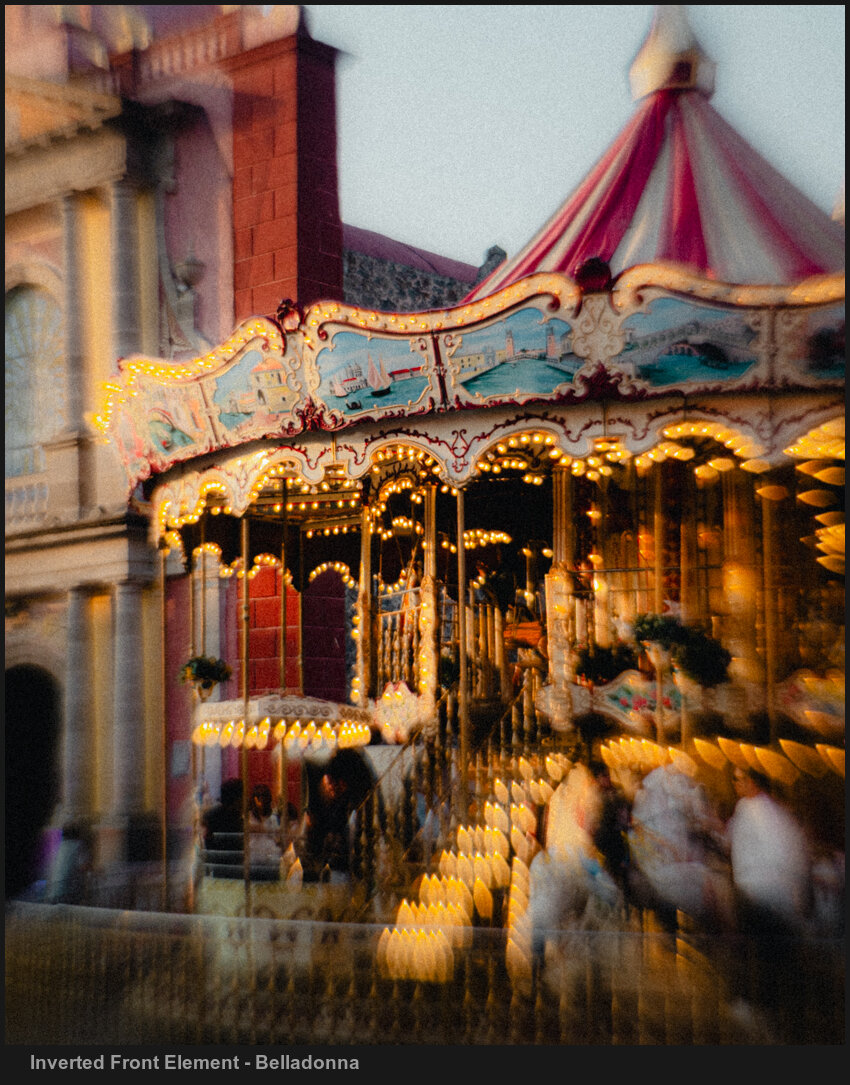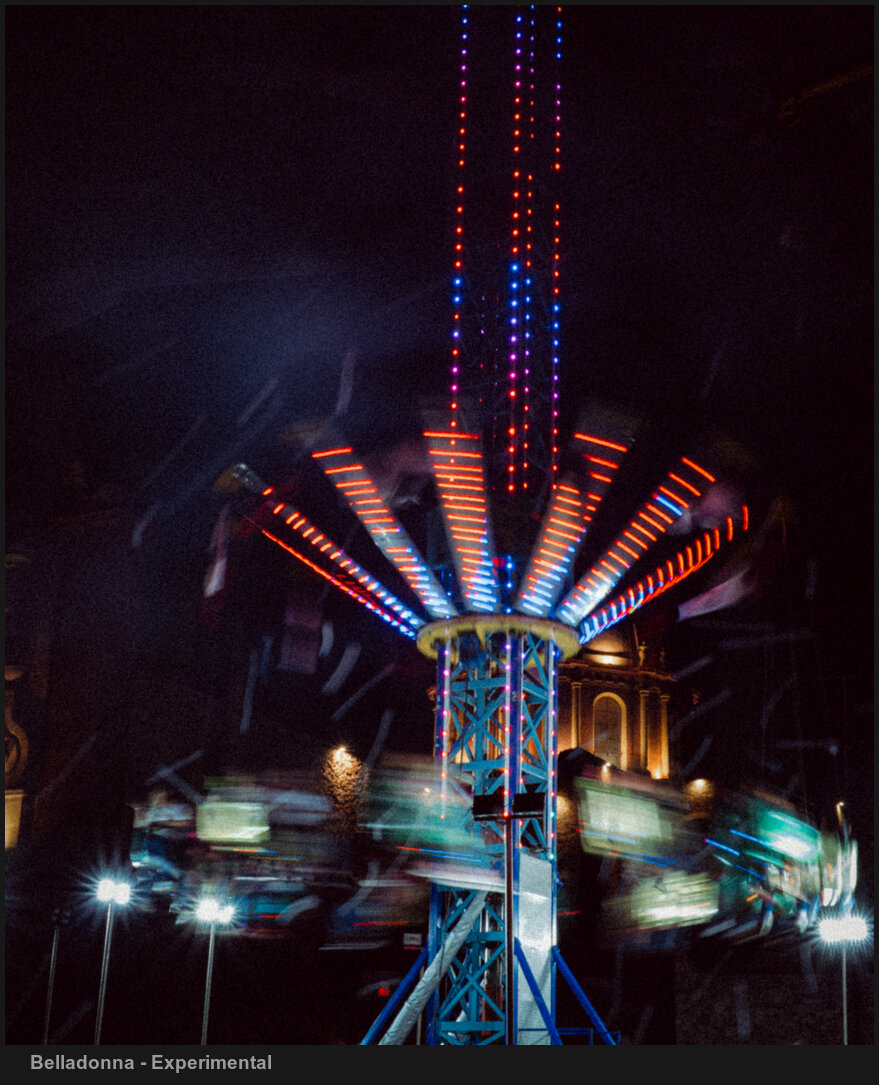

Have you done Are-Bure-Boke photos? Maybe you have without knowing it. But knowing this changes how you see it.
Are-Bure-Boke is a Japanese photo style meaning grainy, blurry, and out of focus. Brought on by photographers like Daido Moriyama during the Provoke era in the late 1960s. It came up in my new Shadow master Class and I wanted to go deeper.

In the Silver 6.4 update, I made an Are Bure Boke preset/style. (Get it on the Silver 6 page) This does not do deep blurring or texture effects as you see in my advanced Photoshop tools like Pictorialist actions. This recipe is more about hard contrast, shadow, and grain. But I may expansd on itg in the futire and people are interested.
So, you just blur your photos?
Not at all – I think it’s more about letting go. You know when you see it. Know your method, then let the moment carry itself. You can sloe shutter speed, invert a lens front, even focus wrong.
It’s also in two steps. It starts in camera, then is embraced in the edit. Grain, contrast, not trying to restore high dynamic range, and letting the feeling out. Things I use in camera and in the recipe I just made include.
- Slow shutter speeds
- Dark shadow with bright light.
- Hectic scenes simplified my motion or focus.
- Contrast, high grain edits in post.
- Low shadow and highlight recovery.
Coming from this film era, this is really an in-camera emphasis. That it got me thinking about the photos. In Shadow Master, we talked about how having feeling in a photo was more improtant that techical perfection. When I created Silver 6, I found rejects from years ago that suddenly worked because of Shadow Hacking. So I pushed deeper.
The conflict of Are, Bure, Boke!
These iconic methods are always debated. Because of that, sometimes we miss the point. Which is to feel, to create something with soul.
One risk is using these artistic methods as an excuse to say our rejects are profound art. A photo should have meaning. So my goal here is not for you to take all your blurry photos and say they are now masterpieces.
Maybe you don’t think my photos go far enough into the style. Maybe you think they are too plain. Maybe I don’t understand Daido Moriyama’s intent. But you and I are shadow hackers, and that’s not one style; it’s a complete method. So I see it from that lens.
If my own examples are inadequate. That’s ok. They are just what I feel conveyed the feeling of Are Bure Boke. Try the idea on your own and leave a comment.

Where technical meets art.
As a pretty technical photographer, sometimes I am too quick to stick my nose up and rough artistic methods. But there is a beauty in them, and they are harder than they look. Like abstract painting.
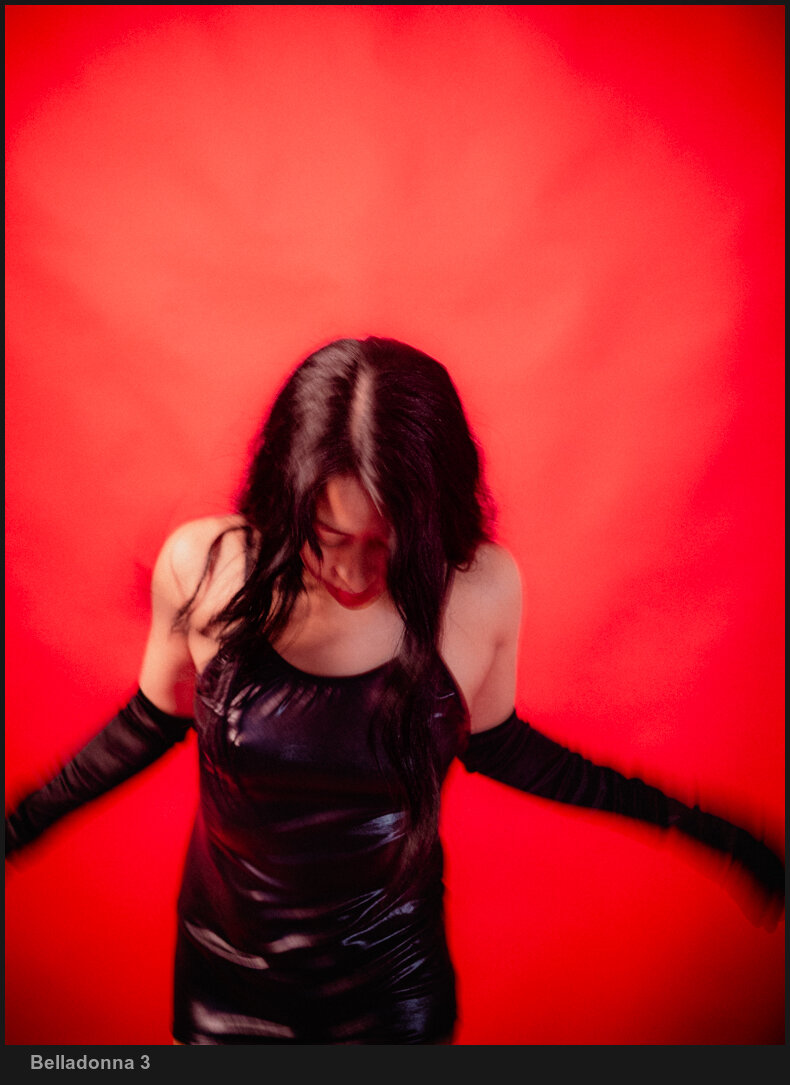
I’ve used low shutter speeds for many years, and I imagine you have also. They are powerful. To me, the key difference in Are Bure Boke is not a rule. It often is black and white, but it can apply to color also, and I’ll leave some examples done with color blends in Belladonna 3 and added grain and contrast.
A lot of blurs are carefully planned. Ferris wheels, panning moving cars. To me, these are technical blurs. I love them, and they give a lot of feeling also.
I think people take these arttitics appraches are try to make rules around them also. Which I think misses the point. To me, Are Bure Boke is more about creating photos that have soul and movement and doint care about the defects than just saying anything goes. A photo can be gritty or blurry and still be boring.
I think it’s also a mistake to say. This is because it has all three, and this is not because it only has grain and blur. Out-of-focus images can work, but its not easy. If you go back to the exercises of the style, they didn’t just shoot everything out of focus.

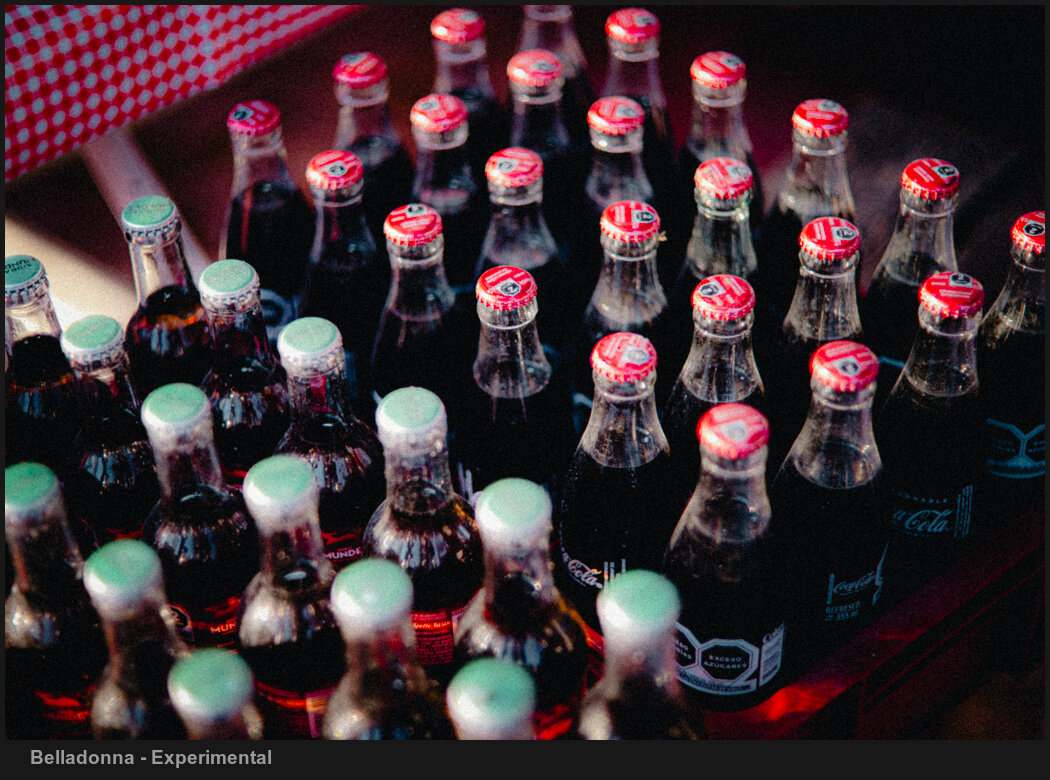
See more by seeing less!
To me, that is what Are Bure Boke is founded on. And it creates a feeling. It caught my eye because I just created the biggest and most important workshop of my career in Shadow Master. In that I really pushed the feeling and soul of the photo and how we merge it with things like the Zone System.
While I have done photos like this before, I was not actually aware of the style itself, and it was you, users you mentioned it to me- who let me dig deeper into it to create more context.
In the edit in LR or C1, I really focus on pushing the curve into contrast, lots of grain and lowered clarity, often with increased texture blending, as I did in the Silver preset. And while more advanced tools could be made for this in Photoshop.
I think the overall feel is created by experimenting with shutter, movement, and focus in camera. Or perhaps not focusing too much on those either. Just letting go and finding the feeling in a photo. This, for me at least, results in a lot of failed photos, but the ones that hit really work.
You don’t have to change your whole style to adopt something new. The simple act of being aware of a style makes me think a little more deeply about how you use blur, grain, and motion. You use these before, but seeing a system makes you think more deeply.
Thaks to thsoe who pushed me to reserch this. Tell me what you think – Gavin Seim
This article was written without Ai