

Photographers are not taught anymore. They buy a camera and start a channel. Tone and shadow are barely understood. I teach these Shadow Hackers. But today, we have a great example because this is barely being talked about.
I used Filmist and Natural HDR a lot in these tests. You can download FREE packs of them on their pages to play with, or try these kinds of tests manually and see what I mean.
#1 Visualize in camera
I love film for this, but it’s not essential. When you start seeing shadow and tone value like Zones in camera, your whole exposure process changes. Then your final edits start coming alive because you saw before you pressed the shutter.
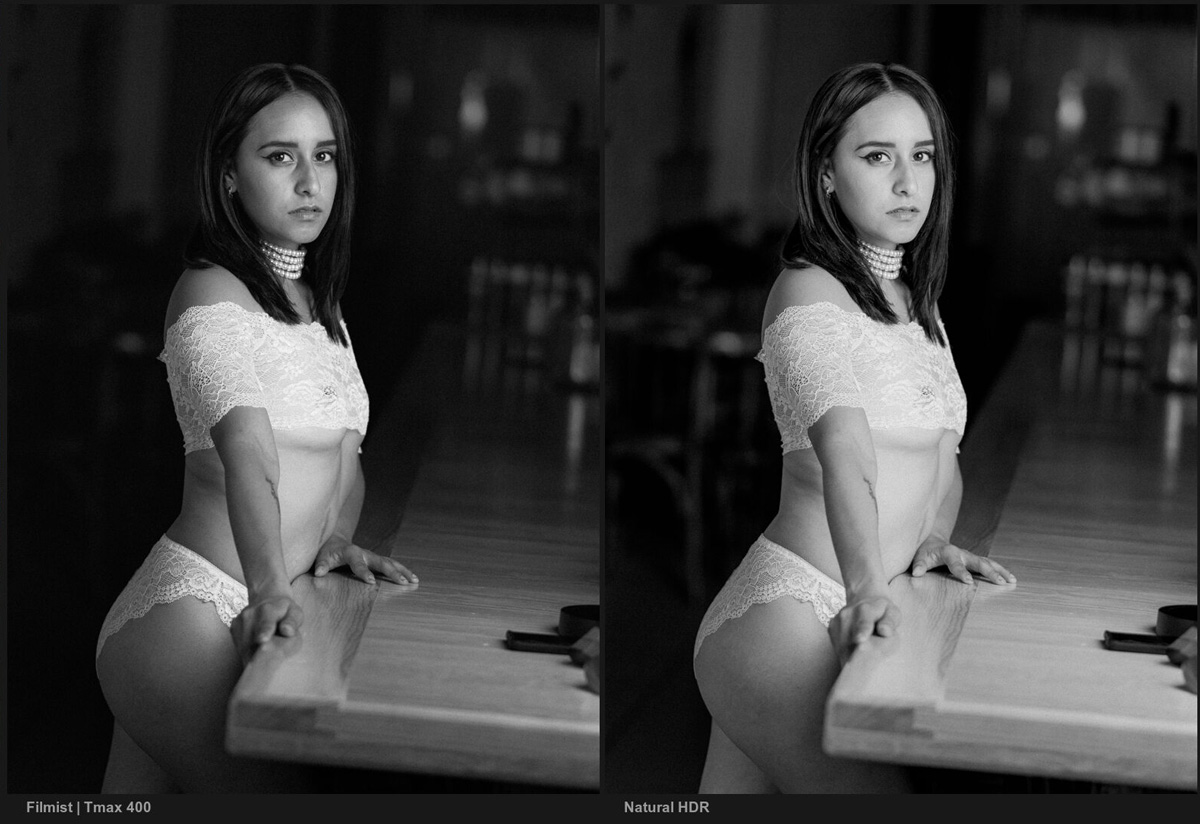
#2 Start light on the edit and then…
This is one of the reasons I use film edits as I start baseline, even if I switch later to an HDR process, black and white etc. The film base keeps me grounded, and I can always truly see my edits.
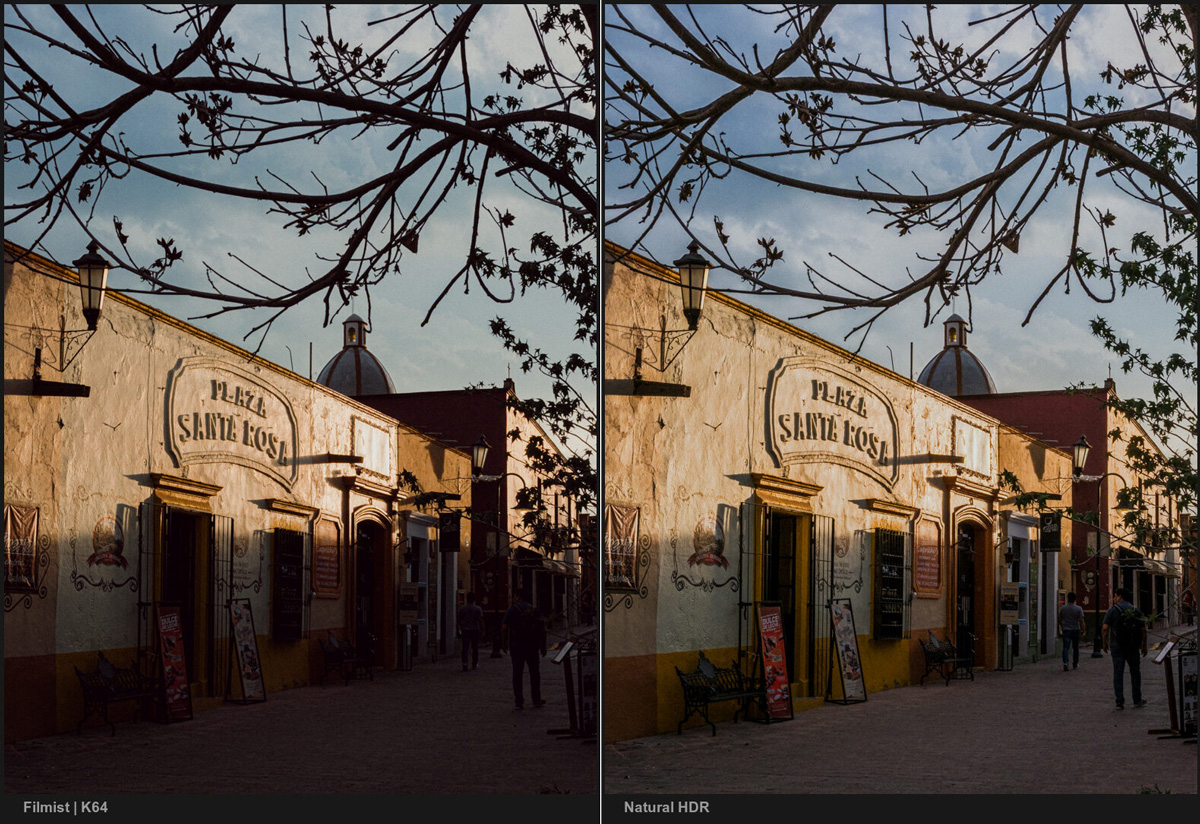
#3 Reflect on the tone for real.
Ask yourself if you want lifted shadows on some darkness.. Ask what make syou feel, creates mystery and makes people want to hear more of the story.
We’ll go in depth on all of this in the video above, so definitely check out the entire thing.
Gavin Seim
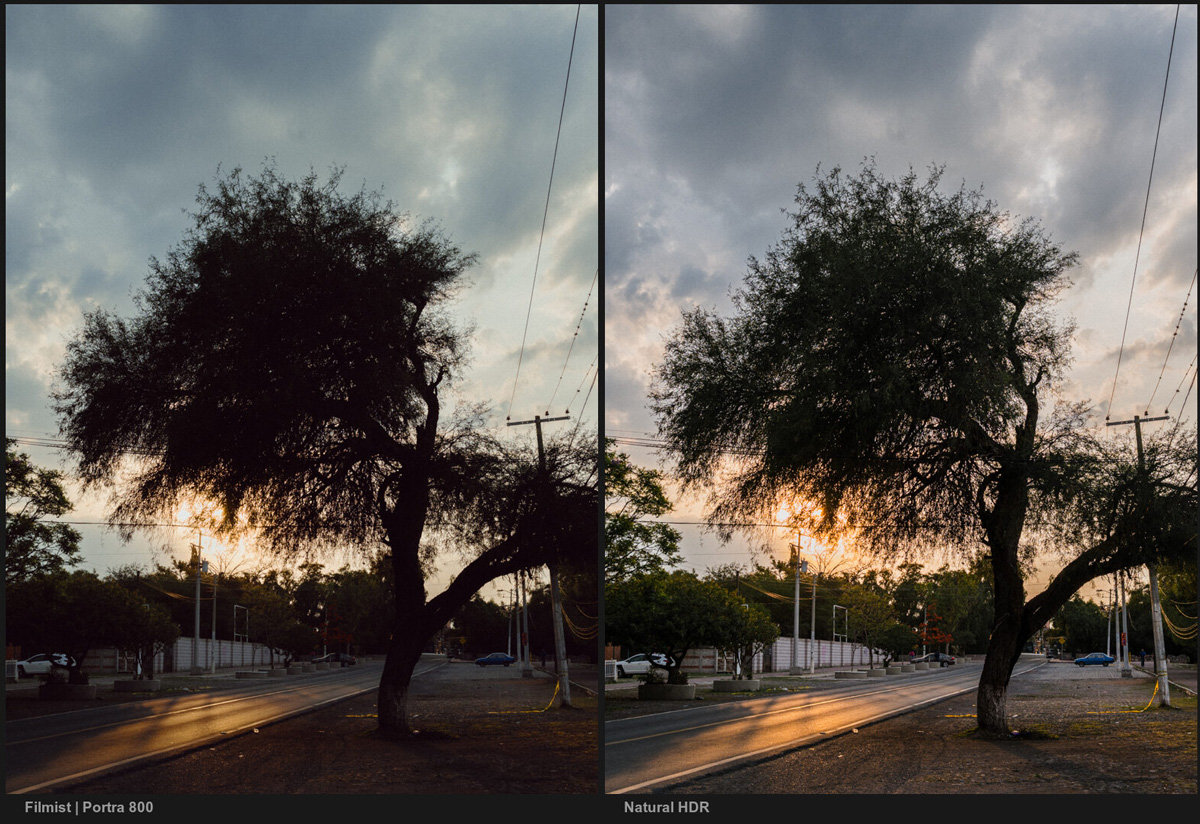
You are 100% correct regarding the differences and similarities between digital HDR and old film Shadows. Both can be highly effective and depend on the type of photo and what the purpose of your presentation is. I was reminded of the Film Maker mode utilized by some of the newer digital televisions that present a darker video picture area in an attempt to highlight shadow.
I was somewhat surprised by the fact that I was missing this point where more darkness could add to the element of mystery in a photograph. I have always attempted to brighten and bring out background in most cases, but sometimes the more dramatic is a bit darker. Very interesting, thank you.
unfortunately for me, editing has always been a weakness of mine, I tend to rely to much on hdr and hdr presets to edit, you have shown me more things can be done to really make stunning photos. I really feel the need to experiment more. Your tutorials are most interesting.