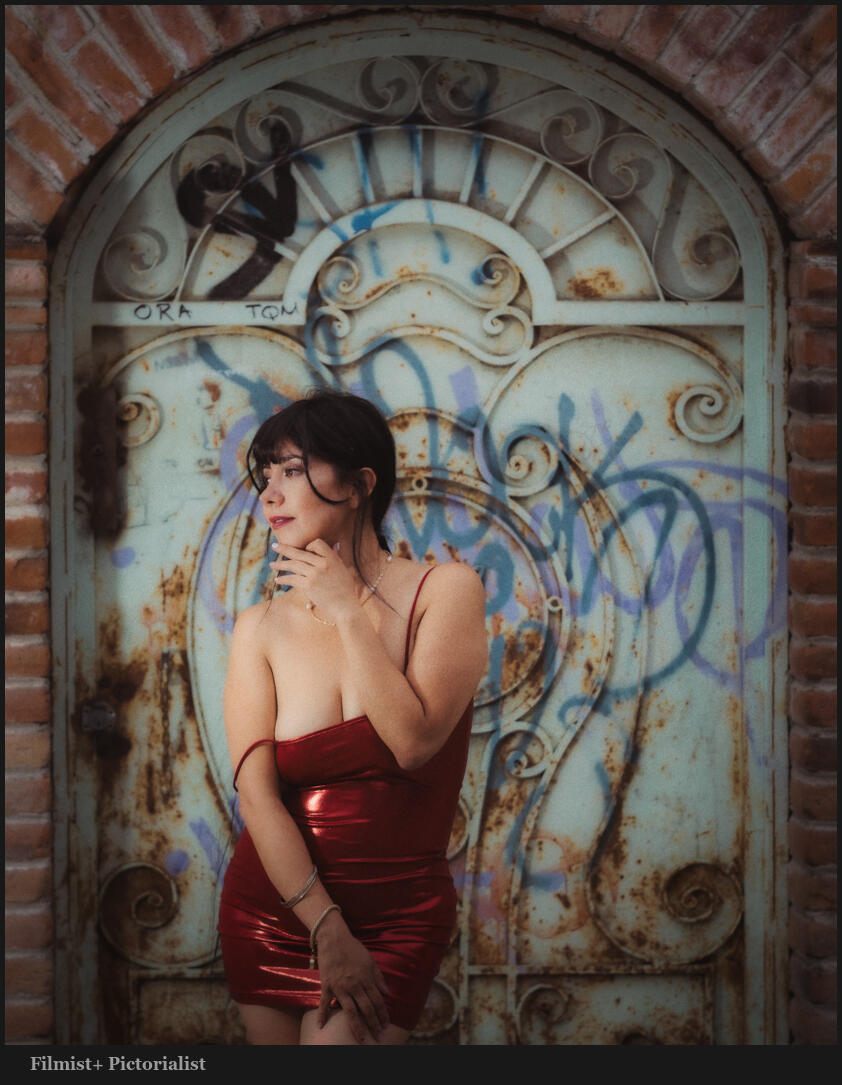
July 13, 2024

I’ve never seen anyone else talk about this, and it bears repeating. These two colors change everything in your digital photos. I’ll show you, and in this updated for 2026 post, give more examples.

To digital, most colors are pretty equal in value. It’s trying to be neutral. But when edited, they often get over-driven in post. In today’s video, I show a little-known fix for digital photos.

You can do this in any app and you will also see it applied in most of my presets and can try it used in a great film like wat in the FIlmist Free or Complete presets pack.

Green and Orange are where you start in this method. \

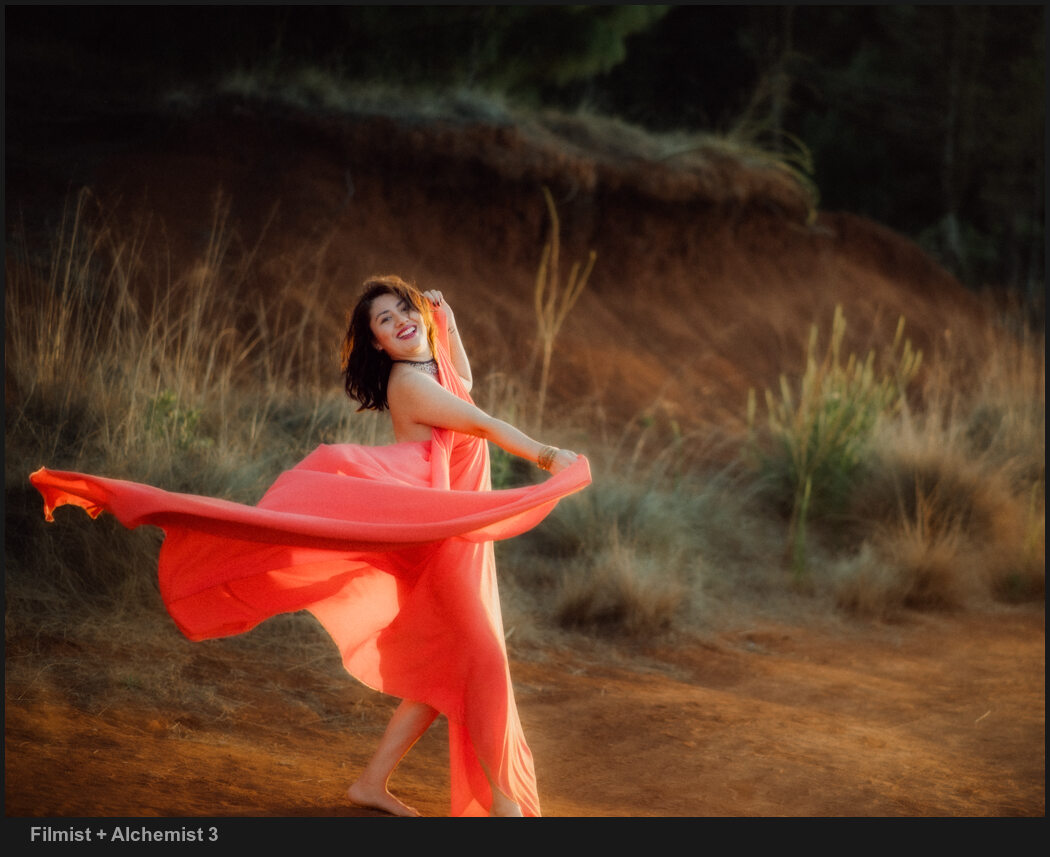
I know, right or wrong is relative to what you want to create. But the goal is always to bring focus to our main subject. Overcooked colors distract from that. Digital and cell phone photographs have gotten us used to this.

You can drop greens on luma and saturation. Drop the orange satisfaction also. But usually in Luma, I push it up as I show in the video.

Once you get this, your process will be simple, and you will control color separation. It’s easy, yes, but it took me years until the days I started comparing digital to film to create Filmist2, and I got it. But I’ve never seen anyone else talk about this.
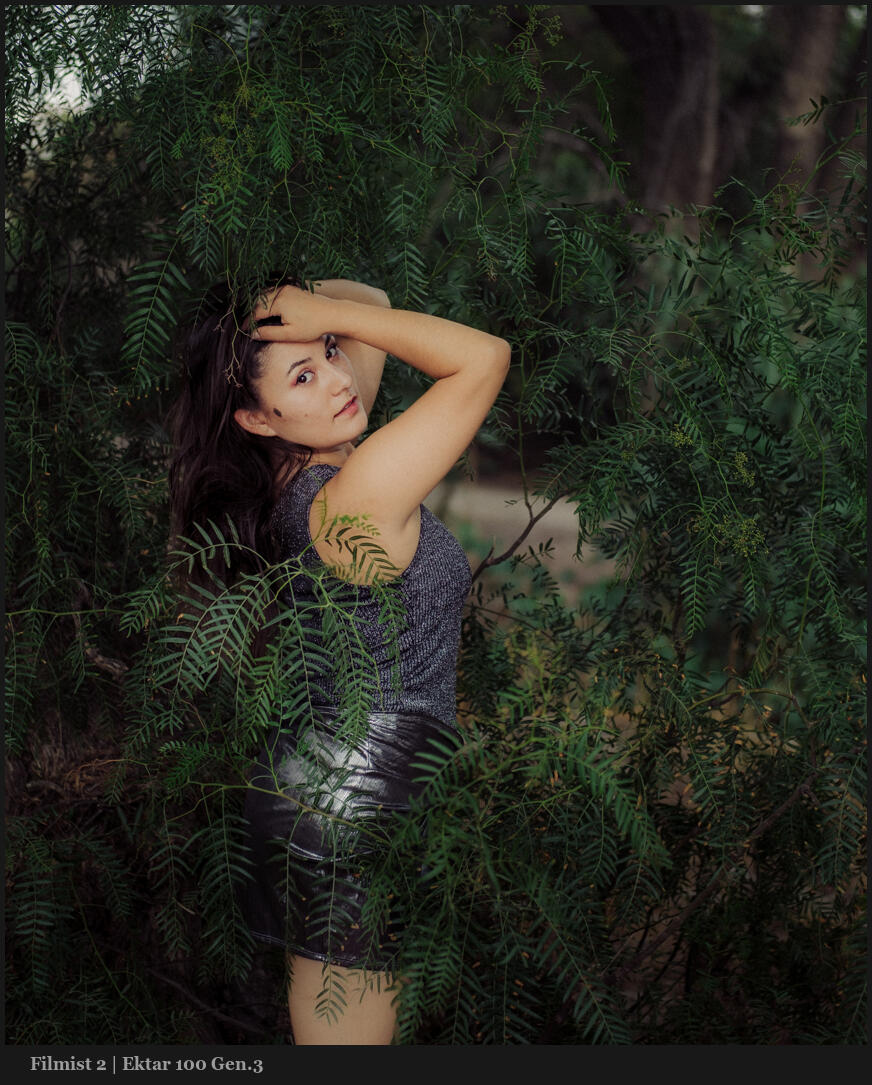
At times, you might want to push up a color. But it’s rarer than you think, even on a sunset. It’s even more rare that I push both. They nearly always COMPLETE with each other. Skin, foliage, etc.

I start with both a little subdued. Usually, I make this easy with a film preset like Portra 400 or Kodachrome 64. You’ll see that soon, your baseline edit is done, and you will see the details differently.

Even on landscapes, this method creates more balanced tones and beautiful roll-offs.

But it’s not all a film look thing. Even in tools like Natural HDR I am using it. In fact, HDR needs balance even more because there’s so much dynamic range. As tone pushes on digital, colors push up as well. Then things can start to compete. You’ve probably seen a lot of HDR that has greens or oranges that are just WAY too much.
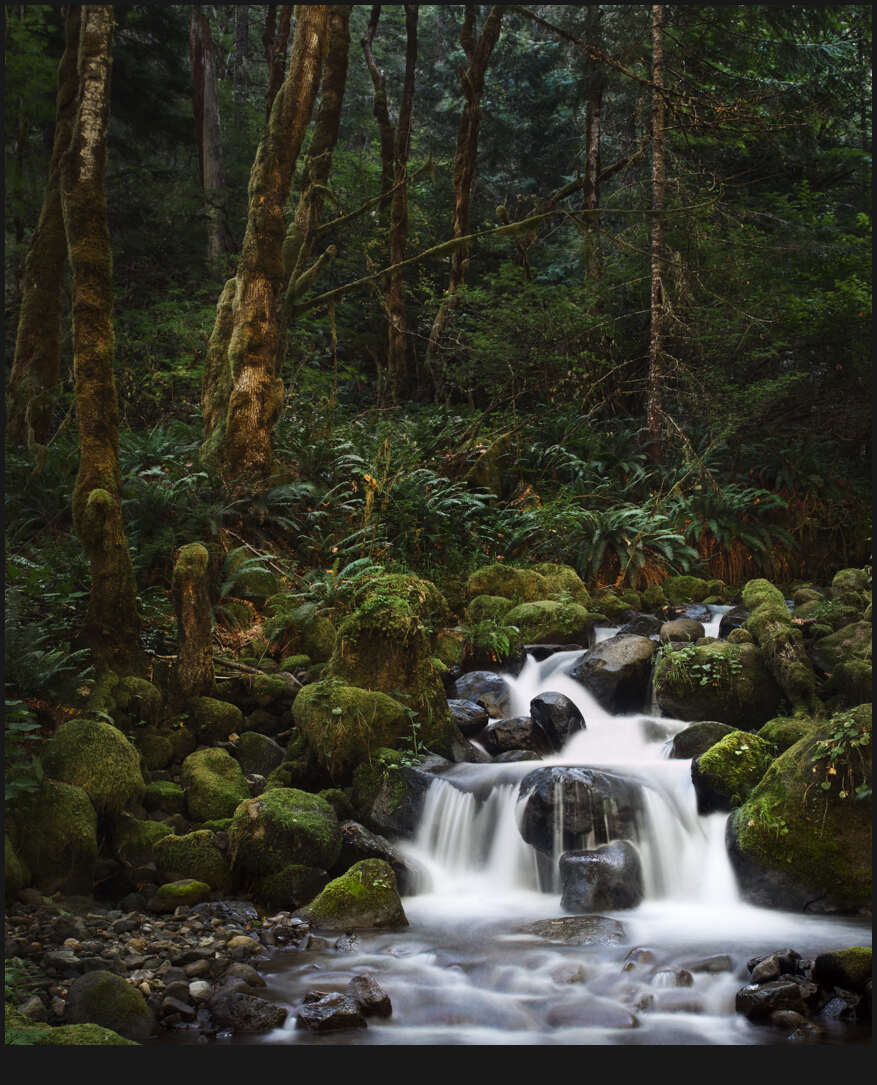
Take this further by adjusting the settings and try the same on blues, purples etc. Green and Orange are often he most important to balanced edits, but the method can be extended.

Digital drives colors hard because no chemicals are getting in the way. So once you start pushing, they all push too far. While the two primary colors should always be reviewed, you can see in this photo that moving colors like blue and red in a similar fashion as I edit this night scene with Street’ist styles.
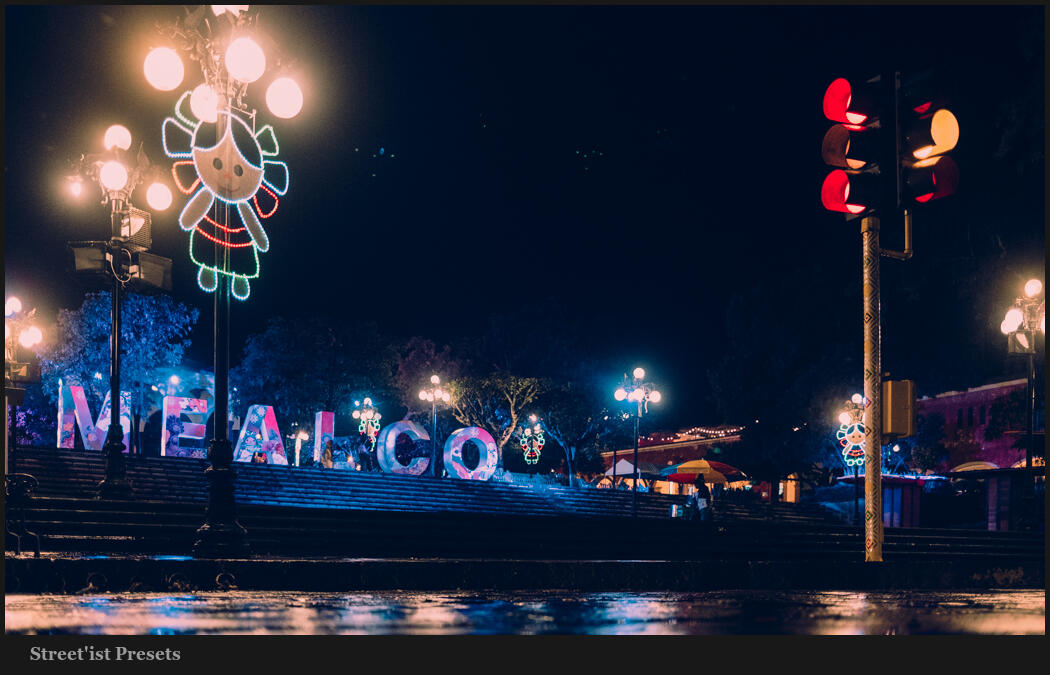
Above, the blue is strong. This can be a look of its own and worked here. But often it goes the other way. Look at the image below. Here, blues are dropped by -37 in LR. Not because blue is bad, but because the reds and warm colors are dominant here. Too much blue competes.
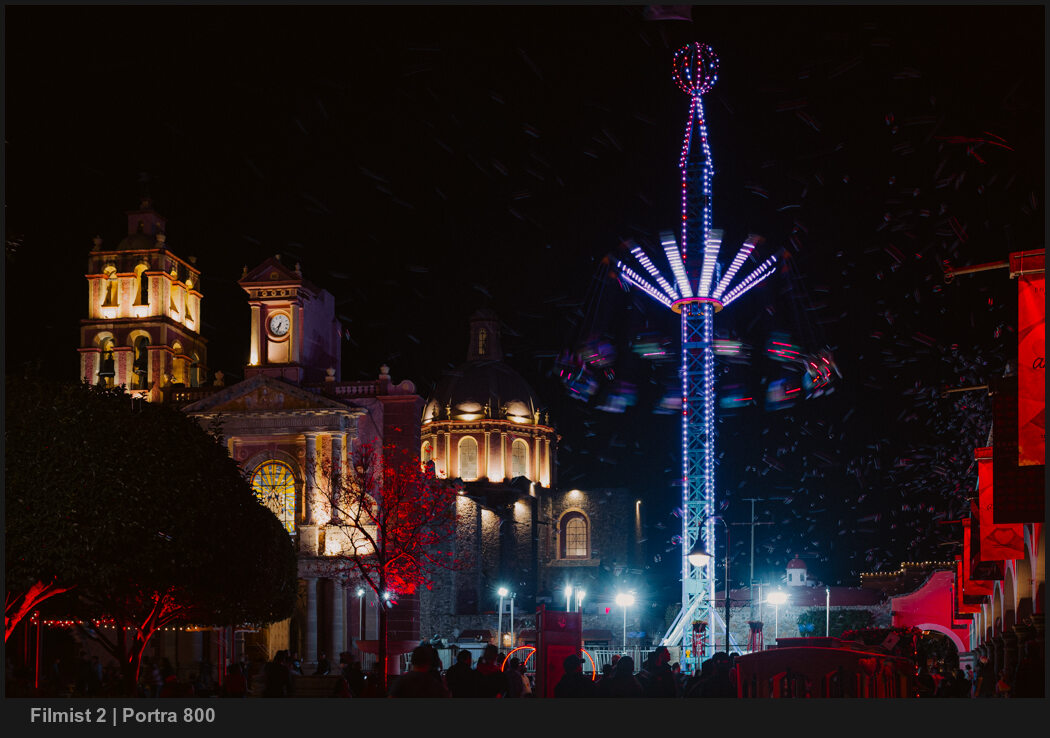
HSL is a tool you should always be using. Having a favorite preset or creating your own baseline with this will improve every edit and give you a starting point. But play around. Sometimes you want more, sometimes less. It’s knowing when and where that will be your superpower.

Gavin Seim
Read More

August 20, 2015

90-seconds3Improved 09/28/15: Getting it right in camera is easier than fixing it later. I hate it when I get in a hurry and overlook these simple principles and it comes up a lot in my workshops. I’ve learned there’s always something we can improve if we set aside ego, be honest and focus on craft.
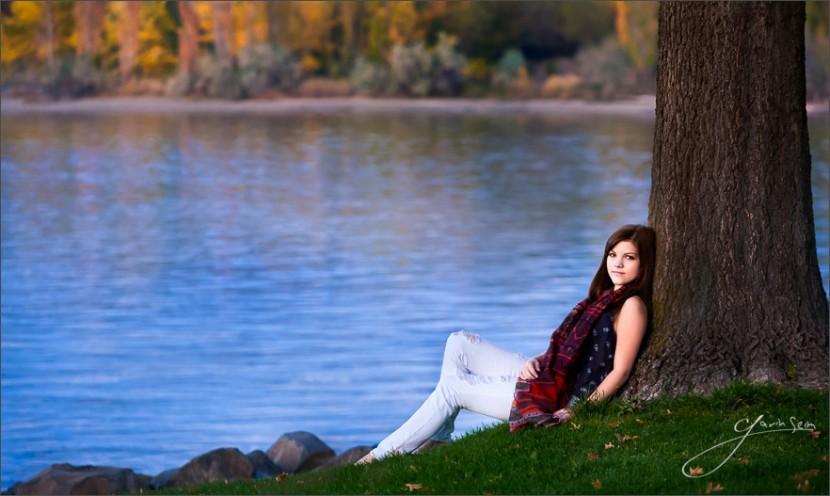
The rules of art are universal to any style or any experience level. Rules can be broken, but they act as guides to help us stay on track; we should break them only for with reason. Here’s some powerful tips I’ve learned over many years. I’m also adding related links to a LOT of FREE content and videos that go more in depth. These powerful reminders will only take a few minutes, but will leave you with proven ideas that last a lifetime.

  • Have ONE primary subject. Everything else should be supporting cast.
  • Omit needless objects. If they don’t add to a photo, kick them out.
  • Light & Tone are king. Understand exposure, tones and zones (video)
  • Use SPACE. I see so many images that would be great not so crowded by the frame.
  • Think of light as liquid. Watch where it goes; know how it flows (more).
  • What surrounds a tone changes how to see it. Regardless of it’s actual value.

better-in-3

  • SHARPNESS is only as far away as a tripod, good focus and good planning (more).
  • There’s only 3 ways to get great light. Take it, make it, or wait for it! (video)
  • In portraits set the pose. Then watch those EYES to capture the soul.
  • Exposure is simple as 2+2, doubles & halves. Understand the STOP (more).
  • When harsh sun is a problem. Wait for the light, or find that golden shade.
  • Think about the shadows; without shadow, we don’t see light. (video).
  • You can’t fake it! Use that sunrise/sunset magic hour whenever you can.
  • LINES lead the eye. Pay attention to where they go and how they intersect.

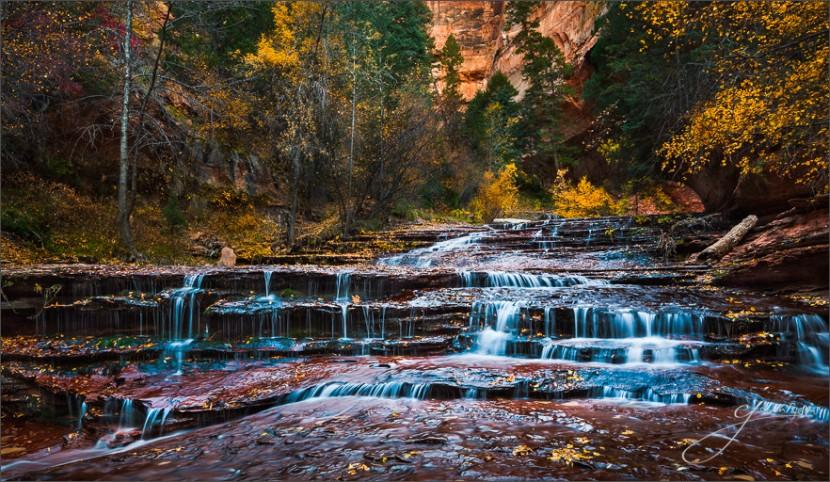
Terrace Symphony
All I need is that one image that conveys everything I want to say. To I take the time to get it right.

  • Flat light is usually boring. Look for ratios and 3 dimensional light.
  • Take time to LOOK AGAIN at your subject BEFORE releasing the shutter.
  • Study history. Photography has 150+ years of it to make you a better artist.
  • Getting it right in camera is always easier than fixing it in post.
  • Change how you see making exposures LONG. Don’t forget an ND filter & tripod.
  • If you can’t something something wrong in your best photo. Look again & learn.
  • Just stop… Slow down, refine, simplify and visualize (video).


Taking my time to examine the pose, the eye contact and the details of a portrait may give me less frames, but always gives me better results.

If you want to take it further subscribe to our newsletter below and check out the workshops tab above. Take the time to learn it right and you will improve faster than you ever imagined. — Gav

Read More

May 21, 2015

Being a great photographer does not always mean getting the perfect shot. Knowing what you need and sticking to your plan is just as important. Even if it means having to come back later. The best photographers have something to prove in their images and they don’t settle for second best.

Timing is everything and knowing when and where to be is key, no matter what type of image your making. This time of Photographic school I share some tough lessons in getting and NOT getting the shot that serve as a reminder to be prepared when the light moves.

— Seim

Read More

March 25, 2015

In this weeks video we go on a trip to New Mexico and look at how light falls in a harsh situation. We’ll briefly study how to can better catch the falling light. Lots more eon this topic in the EXposed series.


Hope you enjoy — Seim

Read More

February 25, 2015

You cannot train light, until light trains you! Then you can ask yourself. Am I controlling light, or is it controlling me?

Today’s video is quick and dirty and it’s about liquid light! Not that old emulsion in a bottle stuff, though that’s cool. Today I want us to stop and think. In recent years I’ve started thinking about how we handle light at a fundamental level. The more I think about light the way I describe today, the more I UNDERSTAND it. Light can have a mind of it’s own. But once you understand it’s nature as I often speak about in my workshops. Everything changes and it opens up a whole new world.

If you don’t fully understand the science of light you need to watch EXposed or study something like it because it will change your entire thought process on light,.

Tell me your thoughts in the comments — Seim

Read More